Candy Cane Sash, Binding, Border
A Practical Review for Small Business Embroidery Projects
As an embroidery designer who’s developed hundreds of commercial files for cafés, boutiques, bakeries, pet brands, and Etsy sellers, I approach every new machine embroidery design with two questions: Does it reinforce brand identity? and Will it hold up across real-world merchandise? That’s why I tested Candy Cane Sash, Binding, Border across multiple small business applications — from staff aprons to tote bag accents, cap fronts to embroidered patches for holiday product packaging. This isn’t just a festive motif; it’s a functional sashing system built for consistency, scalability, and visual cohesion.
First Impression: Playful, Cohesive, and Professionally Versatile
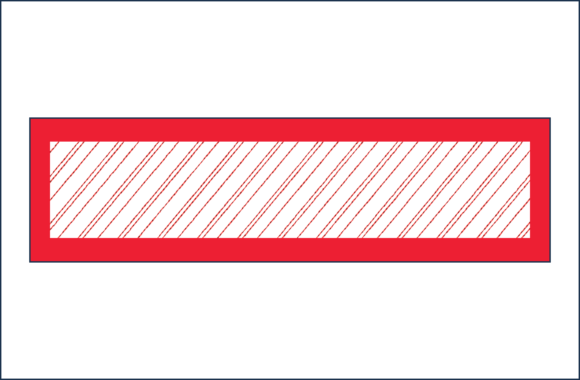
The title alone signals clear intent: Candy Cane Sash, Binding, Border. It reads as purpose-built — not decorative filler, but a structural design element meant to unify fabric yardage, garment edges, and branded assets. Visually, it leans into classic Christmas charm without leaning too hard on kitsch. The candy stripe rhythm feels handmade yet precise, friendly yet polished — ideal for businesses that want warmth without sacrificing professionalism. Think: a local florist’s holiday apron, a craft studio’s limited-edition tote, or a bakery’s staff cap. It doesn’t scream “seasonal gimmick”; it whispers “thoughtful detail.”
Real-World Performance Across Merchandise Types
Candy Cane Sash, Binding, Border shines where continuity matters most. As an embroidered patch, it works beautifully at 2.5”–4” widths — clean lines, balanced spacing, and enough visual weight to anchor a chest logo or sleeve accent. On staff uniforms and aprons, it functions as both branding and subtle reinforcement — especially when stitched along hems or pocket borders. For caps, I recommend using it as a side-strap or rear-vent accent rather than the front panel unless scaled carefully (more on sizing below). As a tote bag design, it wraps elegantly around handles or frames a central logo. On product packaging — like reusable cotton gift wraps or branded tea towels — it adds tactile distinction without overwhelming the message.
For custom apparel creators, this design is especially valuable because it’s inherently modular. You can repeat, mirror, or truncate sections to match fabric yardage — meaning less waste, faster layout, and seamless alignment across garments in a collection. That flexibility directly supports small batch production, a core need for handmade brands and Etsy sellers.
Where to Use Candy Cane Sash, Binding, Border With Care
Like any repeat-based embroidery file, Candy Cane Sash, Binding, Border demands attention to context:
- Small patch sizes (<2”) risk losing stripe definition — test stitch-outs before committing to 1.5” appliqué patches.
- Cap fronts require careful scaling: avoid placing full repeats on curved surfaces where distortion can blur contrast between red and white threads.
- Textured fabric (like heavy canvas or terry cloth) may obscure fine stripe transitions — pair with medium-cutaway stabilizer and reduce top tension slightly.
- Dark uniforms need high-contrast thread colors: matte white or ecru over black or navy reads better than glossy white, which can look chalky.
- Frequent washing means prioritizing dense satin stitches over open fill patterns — confirm the file uses robust stitch density for durability, especially along binding edges.
How It Strengthens Brand Identity and Customer Trust
Consistency builds trust. When your café’s holiday mugs, staff aprons, and customer gift totes all feature the same candy stripe rhythm — whether printed, woven, or embroidered — you’re signaling intentionality. Candy Cane Sash, Binding, Border isn’t just seasonal flair; it’s a repeatable design asset that ties together physical touchpoints. That cohesion tells customers: This brand pays attention to detail. This isn’t mass-produced — it’s thoughtfully made. For handmade product sellers, that perception elevates perceived value and encourages repeat engagement. And because it’s rooted in structure (sashing, binding, border), it subtly reinforces reliability — a quiet but powerful alignment for service-based or locally rooted businesses.
Essential Embroidery Designer Notes Before Production
Before sending Candy Cane Sash, Binding, Border to your hoop or client mockup, run these checks:
- Test it in black and white first — does the stripe contrast hold? Does spacing stay legible at target size?
- Verify how it performs at your smallest intended patch size — especially if using for uniform labels or product tags.
- Review thread color options: some reds bleed on light fabrics; choose colorfast polyester threads for long-term wear.
- Inspect spacing between stripes — tight repeats may merge on stretchy or loosely woven fabrics.
- Confirm hoop size compatibility: wide repeats may require larger hoops or re-hooping strategies for continuous runs.
- Always test on your actual fabric — stabilizer choice (cutaway vs. tear-away) changes drape and definition dramatically.
- Create a printable mockup for client approval — show it alongside your logo, typography, and other design assets to assess visual harmony.
- Double-check commercial licensing terms — this is a digital embroidery file intended for commercial embroidery, but verify usage rights before bulk production or resale.
Remember: the phrase *“This design was use”* in the description hints at field-tested application — lean into that. Ask the seller for real stitch-out examples on similar fabrics. If they offer a sample file or video preview, request it. Your time and thread count are investments — treat Candy Cane Sash, Binding, Border as a working tool, not just a holiday download.
Final Thought: More Than a Stripe — A Branding Anchor
In a crowded market of generic holiday designs, Candy Cane Sash, Binding, Border stands out by serving function first. It’s not just for decoration — it’s for connection, consistency, and craftsmanship. Whether you’re embroidering 12 aprons for a pop-up shop or 200 patches for a local festival, this design gives small businesses a scalable, professional-grade element that feels personal, intentional, and unmistakably theirs. Use it wisely, test thoroughly, and let it do what it’s built to do: bind your brand together — one stripe at a time.