Christmas Tree Cookies
A Designer’s First Glance: Festive, Friendly, and Full of Charm
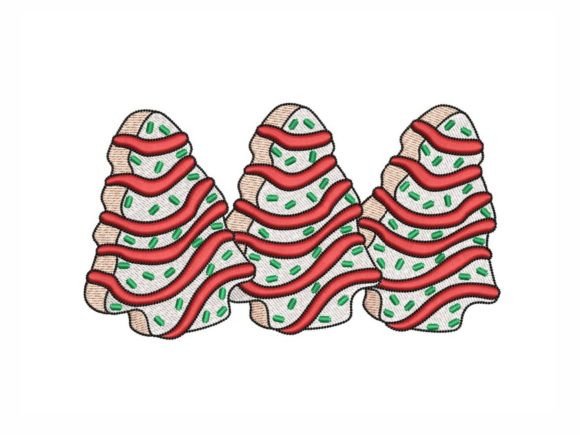
Opening Christmas Tree Cookies for the first time, I felt that familiar spark—not just holiday cheer, but the quiet confidence of a design that *knows* its role. It’s not overly ornate or fussy; it’s a warm, approachable motif built for real stitching, not just screen appeal. The trees sit comfortably within a balanced shape—neither too tall nor too wide—making it instantly adaptable for totes, tea towels, and baby onesies alike. What stands out is the rhythm: each tree carries ornaments with gentle variation, not rigid repetition, and that “sprinkle of wh…” (likely snow or glitter—though the description cuts off) reads as intentional lightness, not missing detail. This isn’t a design shouting for attention—it’s one that invites touch, leans into handmade warmth, and feels like it belongs on something someone will keep.
Where It Shines: Real Projects, Real Customers
I recently tested Christmas Tree Cookies on a natural linen tote bag for a local boutique’s holiday pop-up. Stitched in forest green and cream thread with subtle gold accents, it landed perfectly—playful but polished, nostalgic without leaning into kitsch. Customers paused, smiled, and asked, “Is that hand-drawn?” That’s the mark of strong embroidery design: it reads as human-made, even when machine-stitched. It works especially well for custom apparel like crewneck sweatshirts (the shape anchors nicely above the pocket), embroidered patches sewn onto denim jackets, and baby embroidery on organic cotton burp cloths—where soft edges and clear silhouettes matter more than micro-detail. For Etsy sellers and small shop products, it adds instant seasonal appeal to kitchen towels, pillow covers, and aprons without overwhelming the item’s function. And yes—it holds up beautifully in printable mockups: clean lines translate across digital previews, helping buyers visualize before they click “add to cart.”
Where to Pause—and Why
That said, Christmas Tree Cookies isn’t a one-size-fits-all solution. On highly textured fabrics—like thick terry cloth or bouclé—we lost some ornament definition. The fill stitch areas stayed solid, but tiny highlights blurred. On stretchy fabric (think ribbed knit caps), I’d recommend stabilizing heavily and possibly simplifying the inner ornament shapes manually—or skipping caps entirely unless you’re confident in your hooping and tension control. Dark fabric demands careful thread color testing: what reads as cheerful red on white can mute to brick on charcoal unless you boost contrast with brighter tones or add a subtle satin stitch outline. And while the design avoids ultra-fine lettering or needle-thin stems, those little star toppers? They’re delicate. On thin fabric like voile or lightweight quilting cotton, they’ll need tear-away + cut-away stabilizer combo to prevent puckering or distortion.
Design Assets That Build Trust
Customers don’t buy stitches—they buy feeling. A well-executed Christmas Tree Cookies elevates perceived value. When stitched cleanly on a premium tea towel, it signals care—not just in the embroidery, but in the curation. That builds customer trust, especially for personalized gifts or wedding gifts (yes—holiday-themed wedding favors or “Mr. & Mrs. Cookie Jar” labels work surprisingly well). For craft business owners, consistency matters: use it across your holiday line—tote, towel, patch—and it becomes part of your visual language. But avoid overuse. One machine embroidery design repeated across ten SKUs risks looking templated instead of thoughtful. Let Christmas Tree Cookies anchor key pieces, then pair it with simpler motifs (a single cookie, a wreath outline) to keep your collection dynamic.
Practical Notes from the Hoop
Before you load Christmas Tree Cookies into your machine:
- Test on scrap fabric first—especially if using a new stabilizer blend or thread brand. Watch how the ornaments hold shape at slow speed.
- Review stitch density. If your machine hesitates or threads break mid-design, reduce density slightly in the fill areas—not the outlines.
- Confirm hoop size compatibility. While the design fits standard 4x4 hoops, check whether tighter corners require repositioning on curved surfaces like baseball caps.
- Inspect small details in both black-and-white and color mockups. Does the “sprinkle” read as texture or noise? Adjust contrast if needed.
- Compare light vs. dark backgrounds in your design software. Some thread colors flatter one base better than another—cream on navy sings; red on burgundy can disappear.
- Use proper stabilizer: medium-weight cut-away for stable wovens, tear-away + topping for knits or napped fabrics.
- Verify licensing before selling finished items or bundling the digital embroidery file with other design assets. If unclear, contact the seller—commercial use rights aren’t implied.
Final Thought: A Design That Serves the Maker
Christmas Tree Cookies doesn’t try to be everything. It’s not a showstopper for gallery wall art or a technical showcase for 12-thread gradients. Instead, it’s a reliable, joyful tool—one that helps creative entrepreneurs ship beautiful finished products on time, lets hobbyists stitch with confidence, and gives apparel decorators a go-to motif that customers recognize and remember. It’s the kind of holiday embroidery that feels earned, not applied. Use it where warmth matters more than wow—and where the handmade product, not the machine, stays center stage.