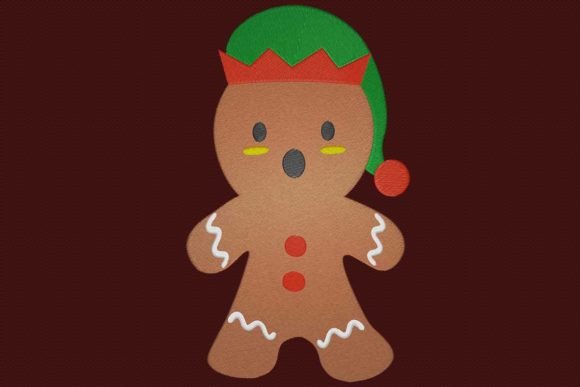
Gingerbread Elf
A Cheerful, Compact Design That Delivers Real Charm—Not Just Holiday Cliché
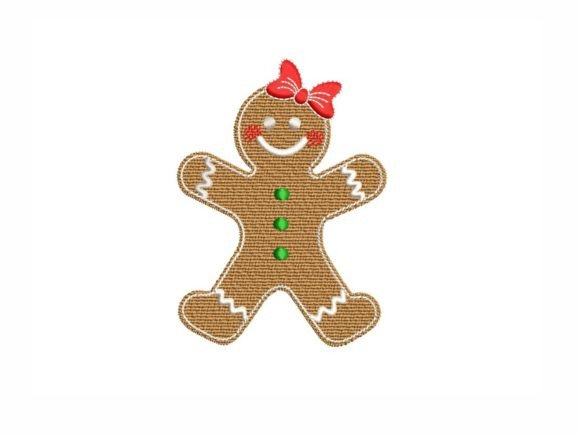
I pulled up Gingerbread Elf last week while prepping a small-batch holiday run for a local boutique: 24 embroidered canvas tote bags, each meant to hold handmade cookies and a handwritten tag. Right away, I noticed what sets this machine embroidery design apart—not flashy complexity, but intentional friendliness. The elf leans slightly forward, arms open, frosting swirls looping from his hat like joyful ribbons. It’s not overly cartoonish, not stiffly traditional—it lands somewhere warm and approachable, like the kind of character you’d sketch on a holiday card before stitching it onto something real.
Where Gingerbread Elf Naturally Shines (and Why It Fits Your Projects)
This isn’t a design that demands center-stage drama. Its strength is adaptability. I stitched Gingerbread Elf on three very different substrates in one afternoon: a medium-weight cotton tea towel (using tear-away stabilizer), a fleece-lined baby sweatshirt (with cut-away + topping), and a structured twill apron (hooped with medium-weight cut-away). In every case, the proportions held—the face remained readable at 3.5", the candy buttons stayed distinct, and the gingerbread texture translated cleanly through fill stitch without muddying.
For Etsy sellers and craft business owners, that reliability matters. You’re not just stitching a design—you’re delivering a finished product that reflects your brand’s care. A customer buying a personalized gift expects clarity, charm, and consistency. Gingerbread Elf delivers that without needing heavy editing or digitizing tweaks. It reads well as a standalone embroidered patch, works cleanly scaled down for a cap front (though I’d avoid going smaller than 2.75"), and holds its shape beautifully on pillow covers where fabric tension varies across the surface.
Real-World Considerations: Where to Use It Thoughtfully
That said—every strong design has boundaries, and recognizing them keeps your embroidery project professional and durable. Gingerbread Elf includes fine satin-stitch details around the collar and cuffs. On thin or loosely woven fabrics like lightweight rayon or certain baby knits, those areas can shift or pucker if stabilizer choice isn’t precise. I recommend testing on scrap first, especially if you’re using it for baby embroidery or custom apparel meant for frequent washing.
Stretchy fabrics? Proceed with caution—and always use a light topping (like water-soluble film) over the top layer to prevent skipped stitches in the curved frosting lines. Dark fabric brings out the warmth of the design, but check thread color contrast carefully: some reds or browns fade into charcoal heather blends unless you opt for high-contrast thread (think cream or antique white for highlights). And while Gingerbread Elf fits neatly in a 4x4 hoop, don’t assume it’ll scale cleanly beyond 120% without reviewing stitch density—dense fill areas can become stiff or bulky on soft garments like lounge sets or nursery blankets.
What Happens When You Get It Right
When Gingerbread Elf lands well—clean hooping, matched stabilizer, thoughtful thread selection—it elevates the whole finished product. A customer unboxing a holiday tote bag doesn’t just see “an elf.” They feel the intention behind it: handmade product, personalized gift, cheerful craftsmanship. That perception directly supports price confidence, repeat orders, and word-of-mouth trust—especially for small shop owners building a loyal audience.
I’ve seen this design used effectively in printable mockups for Etsy listings too. Because the silhouette is balanced and the features are legible even in grayscale, it converts well across digital previews—no need to lean on heavy filters or exaggerated shadows to sell the idea. That’s valuable when you’re curating design assets for a seasonal collection or bundling embroidery files for digital product sellers.
Designer Notes You’ll Actually Use (Not Just Skim)
- Test before committing: Run Gingerbread Elf on scrap fabric matching your final substrate—even if it’s the same brand. Fabric texture changes everything.
- Check thread colors early: Try it in black and white mockups first to assess contrast, then confirm how your chosen thread reads against both light and dark backgrounds.
- Review stitch density visually: Zoom in on the frosting swirls and boot details. If they look overly dense or tightly packed, consider adjusting underlay or reducing density slightly for softer drape.
- Confirm hoop size and file compatibility: The listing mentions multiple embroidery file formats—but verify which ones your machine uses before purchasing or prepping a commercial embroidery job.
- Stabilizer isn’t optional—it’s part of the design: For structured items like aprons or patches, cut-away is non-negotiable. For baby items, pair medium cut-away with a light topping to keep edges soft.
- Licensing matters: Since this is positioned for commercial embroidery and craft business use, double-check whether the license permits selling finished products *and* reselling the digital embroidery file itself—especially if you’re an Etsy seller offering editable design bundles.
Final Thought: Not Just Another Christmas Embroidery Design
Gingerbread Elf stands out because it balances personality with practicality. It doesn’t shout. It invites. Whether you’re embroidering a cozy kitchen towel for a wedding gift, adding charm to a small-batch line of holiday sweatshirts, or creating a signature embroidered patch for your craft fair booth—it supports your voice instead of competing with it. That’s rare. And that’s why, after stitching it across six different projects this season, I keep coming back to it: not as filler, but as a quiet, confident design choice.