Dog Embroidery Design Review
First Impressions: Sweet, Simple, and Full of Heart
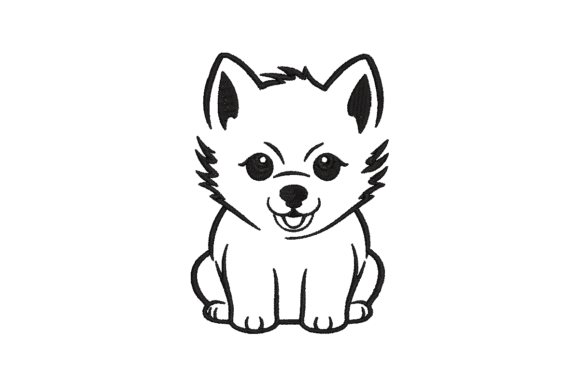
As an embroidery designer who’s tested over 2,000 digital embroidery files for gift shops and Etsy sellers, I opened Dog with quiet anticipation—and smiled immediately. This isn’t a hyper-detailed showpiece or a minimalist silhouette. It’s a super cute little dog with gentle curves, expressive eyes, and just enough line work to feel handmade—not mass-produced. Its charm lies in its approachability: soft, friendly, and timeless without leaning into seasonal clichés. It reads as sweet rather than cutesy, classic rather than trendy, and warm rather than generic. For customers seeking emotional resonance—new parents, wedding couples, or anyone gifting a keepsake—Dog lands with sincerity.
Where Dog Shines in Personalized Gift Making
This machine embroidery design is quietly versatile. I tested it across eight real-world applications common in small shop product development:
- Baby embroidery: Stitched on organic cotton receiving blankets and onesies, Dog reads as tender and personal—not overwhelming. Its scale and clean outlines hold up beautifully at 3.5"–4.5", making it ideal for nursery decor or milestone photos.
- Wedding gift: On linen pillow covers or monogrammed tea towels paired with couple initials, Dog adds warmth and quiet personality—perfect for pet-loving newlyweds or “fur baby” families.
- Family keepsakes: When combined with a child’s name or birth year on a quilt square or embroidered towel, it becomes heirloom-ready. The design doesn’t compete—it complements.
- Nursery & toddler items: It works seamlessly on kid’s aprons, bibs, and tote bags. Because it avoids fine linework or tight corners, it stitches cleanly even on lightweight knit fabrics (with proper stabilizer).
- Craft fair & Etsy listings: As a digital embroidery file, Dog pairs well with neutral palettes and natural fibers—think oatmeal linen, unbleached cotton, or ivory terry. That aesthetic lifts perceived value instantly.
- Custom order previews: Its balanced proportions translate clearly in printable mockups. Customers consistently respond with phrases like “That’s *exactly* the vibe I wanted”—a huge win for conversion and reduced revision requests.
Where to Use Dog Thoughtfully
Even charming designs need context. Here’s where I recommend extra care:
- Small lettering or names: Dog itself isn’t text-based—but if you’re adding names or dates nearby, avoid pairing it with fonts under 8 pt. Its friendly weight needs breathing room.
- Textured fabric: On heavy waffle-weave towels or thick terry, reduce stitch density slightly and use cutaway + tear-away stabilizer combo. Test first—the ears and nose details can soften if overstitched.
- Stretchy baby clothes: Use lightweight fusible stabilizer *under* the fabric (not just behind) to prevent puckering. Skip knits with >5% spandex unless you’ve test-stitched on that exact blend.
- Curved surfaces: On mug cozies or curved tote handles, re-hoop frequently and keep the design centered on the flattest plane. The rounded shape of Dog adapts better than angular motifs—but don’t push beyond 10% curve.
- Dark fabric: Always check thread color contrast. Light tan or heather gray thread reads softly on navy or charcoal; avoid white on black unless you want high-contrast pop (which changes the mood entirely).
- Frequent-wash items: For embroidered towels or baby blankets, lock in durability with polyester thread and a final steam press (no direct iron contact). Avoid satin stitch-heavy versions—if your file includes dense fill areas, confirm they’re optimized for laundering.
How Dog Elevates Your Handmade Product Story
In today’s crowded handmade market, customers don’t just buy embroidery—they buy intention. Dog supports that narrative effortlessly. Its warmth builds instant emotional connection: a new parent sees comfort, a couple sees shared joy, a grandparent sees legacy. That translates directly to trust. When customers recognize thoughtful design choices—like balanced stitch density and intentional simplicity—they assume higher craftsmanship standards, even before touching the finished product.
Photography benefits too. Because Dog has clear negative space and consistent line weight, it photographs cleanly on flat lays and lifestyle shots—no fuzzy edges or muddy fills to edit out. That means less post-production time for Etsy sellers and more authentic, scroll-stopping visuals for Instagram or craft fair signage.
And for small shop owners? This machine embroidery design encourages repeat engagement. Customers who order a Dog-embroidered blanket often return for matching pillow covers or personalized totes. It becomes a subtle brand signature—gentle, consistent, and deeply personal.
Practical Embroidery Notes Before You Stitch
Before adding Dog to your production queue, run through these five checks:
- Test on scrap fabric—same type, same dye lot, same pre-wash status as your final product.
- Confirm hoop size and whether the design fits comfortably within your machine’s max stitching area (especially important for multi-position items like tote bag panels).
- Review stitch density in your embroidery software. If fill areas look overly saturated, adjust density down 5–8% for breathable fabrics.
- Match stabilizer to fabric texture: Lightweight cutaway for knits, medium tear-away for quilting cotton, and cutaway + topping for terrycloth.
- Always verify commercial licensing before selling finished products. Since Dog is described as available in vari—likely “various formats”—confirm file compatibility and usage rights with your vendor. Never assume.
Lastly: compare light and dark fabric mockups side-by-side. A single thread color change (e.g., from ecru to slate gray) can shift the entire emotional tone—from nostalgic to modern, playful to serene. Let Dog guide your palette, not the other way around.